
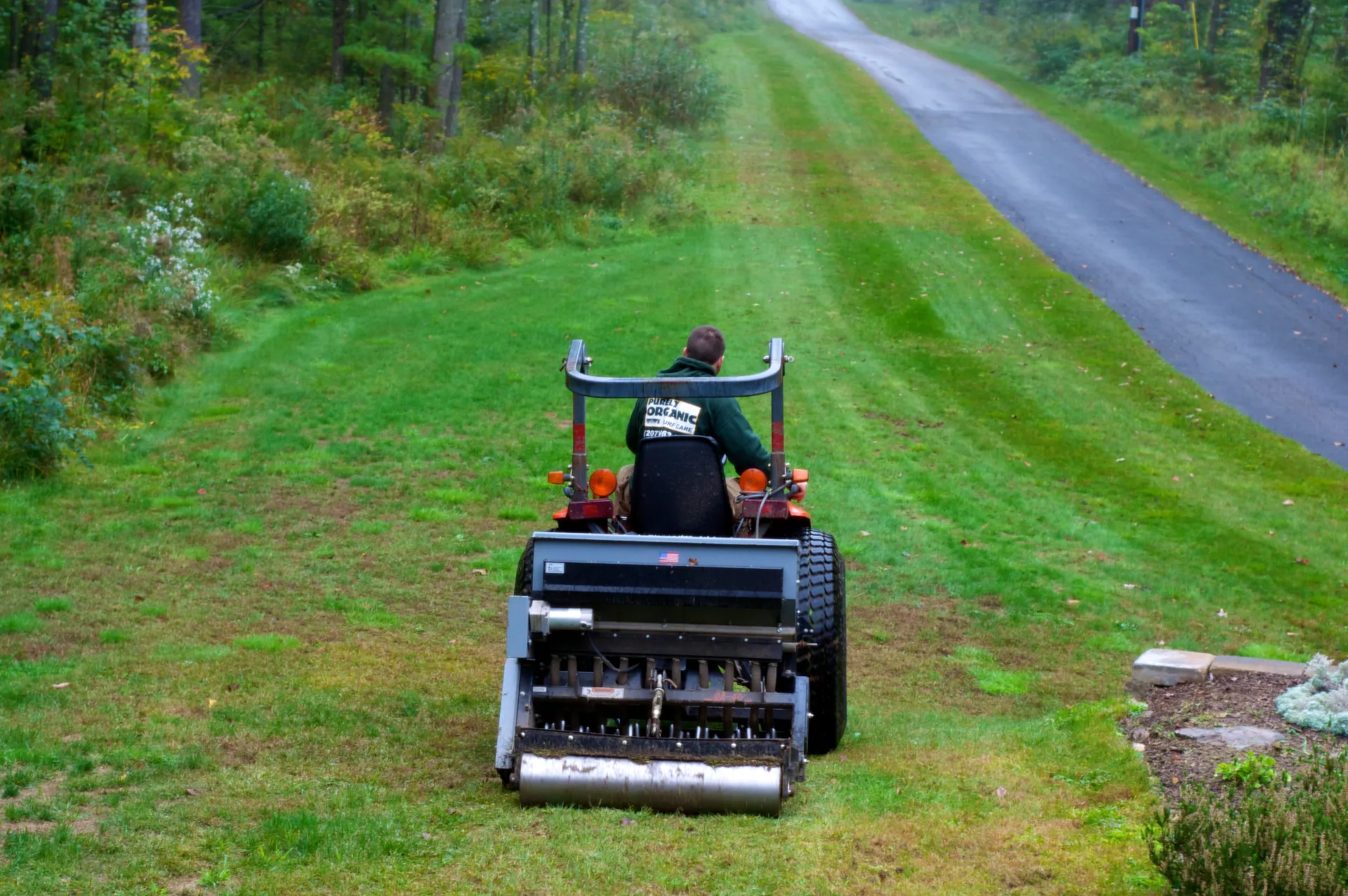
Aeration & Overseeding in South Jersey
Core aeration relieves compacted soil and overseeding fills in thin spots with premium grass varieties. The fastest way to transform a struggling lawn into thick, healthy turf.
What Does Aeration and Overseeding Cost in NJ?
Aeration and overseeding in South Jersey costs $150 to $400 for a standard residential lawn, depending on lot size and seed selection. Core aeration alone runs $100 to $200. When combined with overseeding and starter fertilizer (which we include with every overseeding service), the total typically falls between $200 and $400 for properties up to half an acre. Miller's Landscaping provides free estimates based on your specific lawn size and condition.
Soil compaction is one of the biggest lawn problems across Gloucester County, Camden County, and the rest of South Jersey. Heavy clay soils, foot traffic, and mower weight compress the soil over time, restricting root growth, reducing water absorption, and creating thin turf that weeds easily invade. Core aeration is the single most effective treatment for compacted soil.
Overseeding introduces new grass seed directly into the aeration holes, where it has ideal soil contact for germination. Within 3 to 4 weeks, you will see new grass filling in thin and bare areas. By the following spring, the lawn is noticeably thicker and more resistant to weeds, drought, and disease.
How Aeration & Overseeding Works
A proven 4-step process that delivers visible results within weeks and a dramatically thicker lawn by the following spring.
Step 1: Lawn Assessment
We evaluate your lawn's current condition, soil type, shade exposure, and turf species to determine the right seed blend and application rate. Properties on heavy clay need more aggressive aeration than sandy coastal soils near Atlantic County.
Step 2: Core Aeration
Our commercial-grade core aerator pulls 2 to 3 inch plugs from the soil at consistent intervals. This opens channels for air, water, and nutrients to reach the root zone. The plugs are left on the surface to break down naturally, returning organic matter to the soil.
Step 3: Overseeding
Premium NTEP-rated seed blend is broadcast across the aerated lawn at calibrated rates. The seed falls into the aeration holes where it has direct soil contact for higher germination rates. We use tall fescue and Kentucky bluegrass varieties selected specifically for the mid-Atlantic region and Zone 7a conditions.
Step 4: Starter Fertilizer
A phosphorus-rich starter fertilizer is applied immediately after seeding to fuel rapid root establishment. This step is critical for seedling survival and is included in every overseeding service at no additional charge.
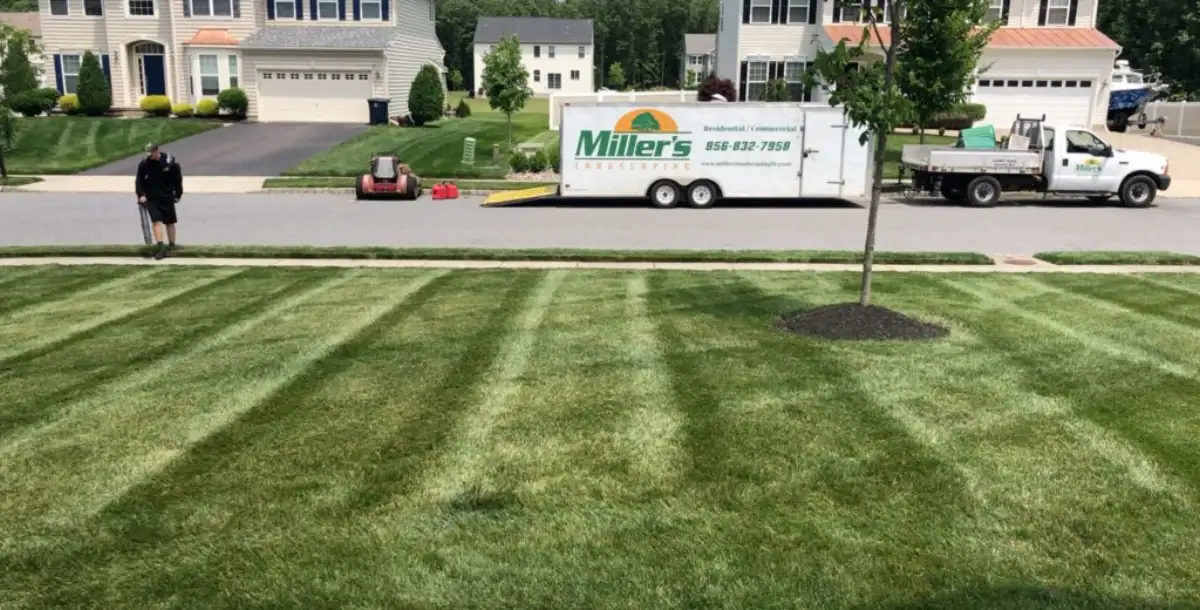
When to Aerate Your Lawn in New Jersey
The best time for aeration and overseeding in South Jersey is late August through mid-October. During this window, soil temperatures are warm enough for rapid germination (65 to 75 degrees), air temperatures are cooling to reduce stress on seedlings, and competition from crabgrass and other summer weeds is declining.
Spring aeration (March through April) is possible but less ideal for overseeding. Opening the soil in spring allows crabgrass seeds to germinate alongside your new grass seed, creating more weed problems than you started with. If spring aeration is needed for compaction relief, we recommend skipping the overseeding and scheduling it for fall instead.
For lawns with severe compaction, we recommend aerating twice per year: once in spring for immediate soil relief and once in fall for overseeding. Most residential lawns in South Jersey benefit from annual fall aeration and overseeding to maintain thick, healthy turf.
- Fall aeration: Late August through mid-October (best)
- Spring aeration: March through April (compaction relief only)
- Soil temperature above 55F required for seed germination
- Annual service recommended for South Jersey clay soils
- Pair with top-dressing for maximum results
How to Tell Your Lawn Needs Aeration
Water Runs Off Instead of Soaking In
If rain or irrigation water pools on the surface or runs off instead of absorbing, your soil is compacted. Aeration opens channels that allow water to penetrate the root zone where it is actually needed.
Thin or Patchy Grass
Thin turf with visible bare spots is often a sign of compacted soil restricting root growth. Grass cannot develop a deep, healthy root system in tight soil, leading to weak plants that cannot fill in bare areas on their own.
Heavy Thatch Layer
If you see a spongy layer of dead organic material between the grass blades and soil surface, your lawn has a thatch problem. Aeration breaks up thatch and promotes the microbial activity that decomposes it naturally.
"Our lawn was thin and full of bare spots after years of neglect. Miller's did aeration and overseeding in September and by the following spring, the difference was unbelievable. Thick, green grass everywhere. Best money we have spent on our property."
"We have heavy clay soil and water would just sit on top of the lawn after rain. After aeration, the drainage improved immediately. Combined with overseeding, our lawn is now the thickest it has ever been. Highly recommend."
Aeration & Overseeding FAQ
New grass seedlings typically emerge 10 to 14 days after overseeding, assuming consistent watering. Within 3 to 4 weeks, you will see noticeable filling of thin and bare areas. Full maturity takes 8 to 12 weeks, and by the following spring, the new grass will be fully established and blending seamlessly with existing turf.
Yes. Consistent moisture is critical for seed germination. Water lightly 2 to 3 times per day for the first 2 to 3 weeks to keep the top inch of soil moist without creating puddles. After seedlings reach 2 inches tall, transition to deeper, less frequent watering to encourage deep root growth. If you have a sprinkler system, we can help program it for optimal post-seeding watering.
Wait until new seedlings reach 3 to 4 inches tall before the first mow, which typically takes 3 to 4 weeks. Mow at the highest setting on your mower for the first two cuts to avoid stressing young grass plants. Resume normal mowing height after the new grass has been mowed twice.
For most South Jersey lawns, annual fall aeration is recommended. Properties on heavy clay soil or those with high foot traffic may benefit from twice-yearly aeration (spring and fall). Sandy soils common in Atlantic and Cape May counties may only need aeration every 2 to 3 years. We assess your specific soil conditions and recommend the right frequency during your free estimate.
Maximize Your Lawn Renovation Results
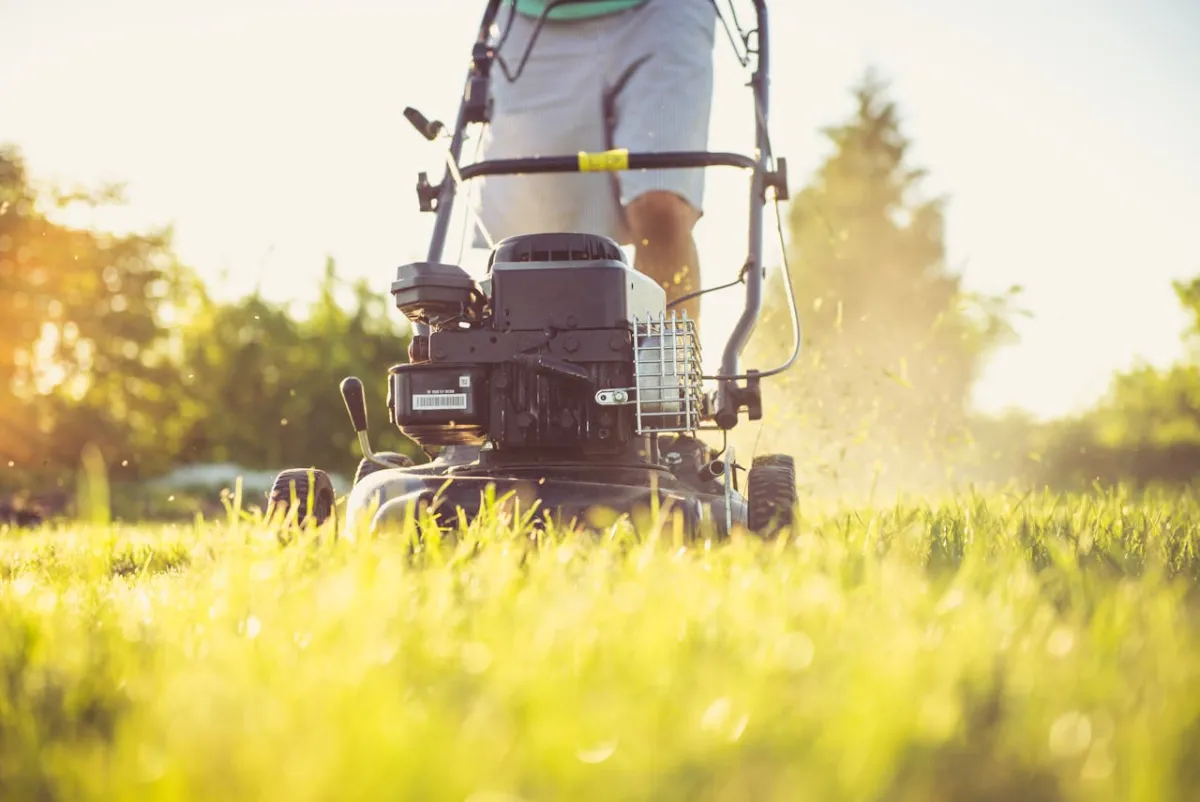
Top-Dressing
Add screened compost after aeration for the best possible seedbed and long-term soil improvement.
Learn More →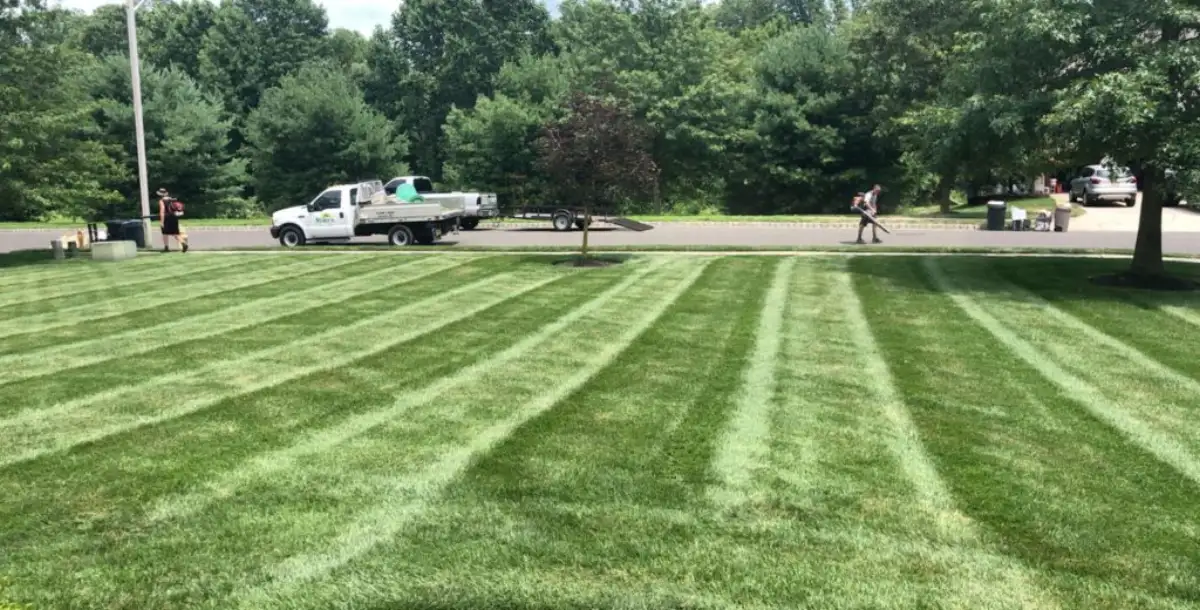
Fertilization & Weed Control
Keep your renovated lawn thick with our 7-step fertilization program designed for NJ turf.
Learn More →
Sod Installation
Need instant results? Sod gives you a new lawn in a single day.
Learn More →Ready to Transform Your Lawn?
Get a free estimate for aeration and overseeding. Fall booking fills fast so call today to reserve your spot.