
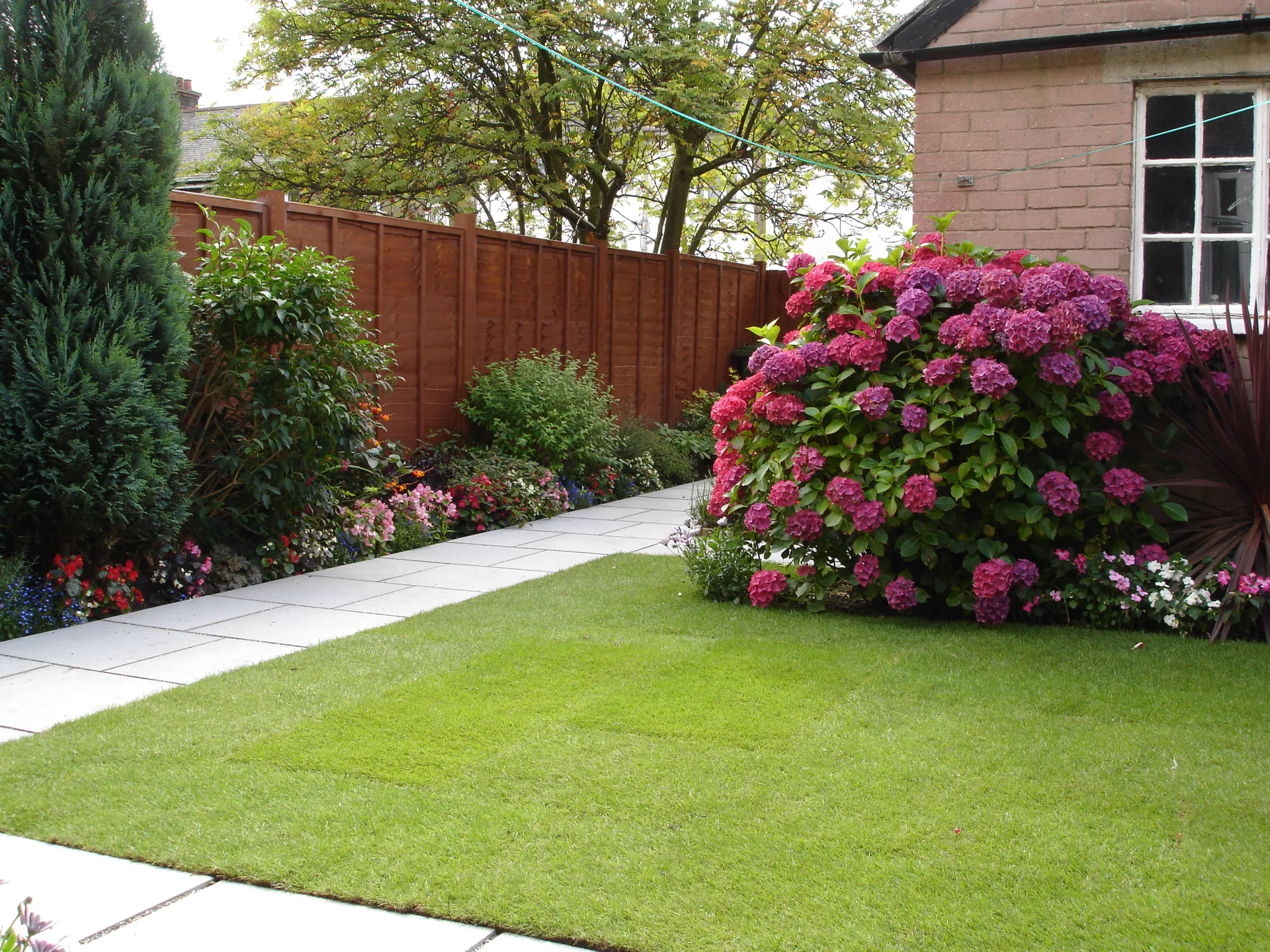
May is one of the two best months to install sod in South Jersey. The soil is warm enough for rapid root establishment, spring rains reduce your watering burden, and the grass has an entire growing season ahead to develop the deep root system it needs to survive summer heat and winter dormancy. If you have been looking at a thin, patchy, or weed-infested lawn and wondering whether it is time to start fresh, the answer is yes — and right now is the window.
This guide covers everything South Jersey homeowners need to know about sod installation: when to install, which grass varieties work best in our climate, what the process involves, realistic costs, and how to care for your new lawn during those critical first weeks.
The Best Time to Install Sod in South Jersey
South Jersey falls in USDA hardiness zones 7a and 7b, with soil types ranging from sandy loam in the Pine Barrens fringe to heavier clay in the Delaware River corridor. This combination creates two ideal sod installation windows:
Spring: mid-April through mid-June. Soil temperatures reach the 55-65 degree range that promotes rapid root growth. Cool-season grasses like tall fescue and Kentucky bluegrass establish quickly in spring because they are entering their peak growth period. The risk is that a late spring installation pushes into summer heat before roots are fully established, which requires aggressive watering.
Fall: mid-September through mid-October. Fall is actually the most forgiving installation window. Soil is still warm from summer, air temperatures are dropping (reducing evaporation and heat stress), and fall rainfall in Gloucester and Camden counties is typically reliable. The sod roots aggressively through fall, goes dormant in winter, and emerges in spring with a head start over any lawn established from seed.
Summer: possible but demanding. We install sod in July and August when schedules or project timelines require it, but summer installations need 30 to 50 percent more water during the first 3 weeks. The combination of high temperatures and full sun exposure puts stress on newly laid sod before roots have established. If you are on a well or have watering restrictions, wait for fall.
Choosing the Right Sod for South Jersey
The grass variety in your sod determines how it handles summer heat, winter cold, shade, foot traffic, and drought. South Jersey's transition zone climate — too hot for some northern grasses, too cold for southern varieties — narrows the choices to a few proven performers.
Tall Fescue (Turf-Type)
Tall fescue is our standard recommendation for most South Jersey lawns. Modern turf-type tall fescue varieties have fine blade texture, deep green color, and excellent drought tolerance once established. The deep root system — typically 4 to 6 inches — handles the sandy soils common in Gloucester County's eastern townships and the drier conditions that develop during July and August. Tall fescue also tolerates partial shade better than most alternatives, making it suitable for properties with mature trees.
Kentucky Bluegrass
Kentucky bluegrass produces the classic thick, dark-green lawn that many homeowners picture when they think of a perfect yard. It spreads via underground rhizomes, which means it can fill in thin spots and minor damage on its own — something tall fescue cannot do. The trade-off is higher maintenance: Kentucky bluegrass needs more water, more fertilizer, and more frequent mowing than tall fescue. It also struggles in shade and heavy clay soil. We typically recommend it for full-sun front yards where appearance is the top priority and the homeowner is committed to a regular maintenance program.
Fescue-Bluegrass Blends
Many sod farms in the New Jersey region grow blended sod that combines 80 to 90 percent tall fescue with 10 to 20 percent Kentucky bluegrass. This blend gives you the drought tolerance and shade tolerance of fescue with the self-repair capability of bluegrass. It is a practical choice for yards with mixed sun and shade conditions, which describes most residential properties across South Jersey.
What Professional Sod Installation Involves
Sod installation is not just laying grass on dirt. The preparation work before the first roll of sod hits the ground determines whether you get a lawn that thrives for years or one that fails within months. Here is what the process looks like when we install sod across South Jersey.
Step 1: Remove the Old Lawn
If you have existing grass, weeds, or ground cover, it needs to come out completely. We use sod cutters to strip the old turf layer, removing both the vegetation and the thatch layer underneath. Trying to lay new sod over old grass is the most common DIY mistake — the old layer creates a barrier that prevents roots from reaching soil, and the decomposing material underneath generates heat that burns new sod from below.
Step 2: Grade and Prepare the Soil
After stripping, we grade the exposed soil to establish proper drainage — sloping away from the house at minimum 1 inch per foot. For sandy soils common in Salem County and the eastern portions of Gloucester County, we often incorporate compost or topsoil to improve water retention. For clay-heavy soils in the Delaware River corridor, we may add gypsum and organic matter to improve drainage and soil structure.
Soil testing at this stage is valuable. If pH is below 6.0 (common in South Jersey's naturally acidic soils), we apply lime during preparation so it is worked into the root zone before sod goes down. Correcting pH after sod installation is much slower because amendments can only reach roots through surface application and watering.
Step 3: Lay the Sod
Fresh sod is delivered the morning of installation — ideally within 24 hours of harvest — and laid immediately. We start along the longest straight edge (usually a driveway or sidewalk) and work outward in a staggered brick pattern. Seams are butted tightly together with no gaps or overlaps. Edges along beds, walkways, and curves are cut precisely with a sharp knife for a clean finish.
The entire surface is rolled with a water-filled roller after laying to press sod into firm contact with the prepared soil. This eliminates air pockets that prevent root-to-soil contact and cause brown patches during the first week.
Step 4: Initial Watering
Immediately after installation, the entire lawn receives a deep soaking — enough to wet the sod and the top 3 to 4 inches of soil underneath. This first watering is critical. If your property has a sprinkler system, we program it for the establishment watering schedule before we leave. If not, we provide a detailed hand-watering schedule.
Sod Installation Costs in South Jersey
Professional sod installation in the Gloucester, Camden, and Salem County area typically costs $1.50 to $3.00 per square foot, all-in. That includes soil preparation, grading, sod material, installation labor, and initial watering setup.
For perspective, here is what typical projects cost:
Small front yard (1,000 sq ft): $1,500 to $3,000
Average front and back (3,000 sq ft): $4,500 to $9,000
Large property (5,000+ sq ft): $7,500 to $15,000+
The main cost variables are soil preparation (rocky or heavily compacted soil costs more to prepare), sod variety (Kentucky bluegrass runs more than tall fescue), and site access (backyard areas that require carrying sod through narrow gates or around obstacles add labor time).
Aftercare: The First 6 Weeks
How you care for your new sod during the first 6 weeks determines its long-term success. Get this right and you will have a thick, established lawn by midsummer. Get it wrong and you will be calling us back for patches.
Weeks 1-2: Water daily. New sod needs watering every day for the first 10 to 14 days, ideally in the early morning. The goal is to keep the sod and the top inch of soil consistently moist but not waterlogged. In sunny areas, this may mean watering twice daily during hot spells. Lift a corner of the sod after the first week — you should see white root hairs beginning to grow into the soil.
Weeks 3-4: Reduce to every other day. As roots establish, reduce watering frequency but increase duration to encourage deeper root growth. The sod should no longer lift easily when you tug a corner — the roots are anchoring it to the soil.
Weeks 5-6: Transition to normal watering. By week 5, your new lawn should be on the same watering schedule as an established lawn — about 1 inch per week from rainfall or irrigation, applied in 2 to 3 deep sessions rather than daily light watering.
First mow. Mow for the first time when the grass reaches 4 inches — typically 2 to 3 weeks after installation. Set your mower to the highest setting (3.5 to 4 inches) and never remove more than one-third of the blade length in a single mowing. Sharp mower blades are essential — dull blades tear new grass rather than cutting it cleanly, creating stress and disease entry points.
First fertilizer. Wait 4 to 6 weeks before applying fertilizer. The sod was fertilized at the farm before harvest, and early fertilization pushes top growth at the expense of root development. When you do fertilize, use a starter fertilizer high in phosphorus (the middle number) to support continued root establishment.
Sod vs. Seed: Why Sod Wins for Most South Jersey Properties
Seeding costs about one-third as much as sod, so why do we recommend sod for most residential projects? Three reasons:
Instant results. Sod gives you a finished lawn the day it is installed. Seed takes 2 to 3 weeks to germinate and 8 to 12 weeks to fill in — during which your yard is a muddy construction zone that tracks into the house and erodes with every rainstorm.
Weed suppression. Sod arrives as a dense mat that blocks weed germination from day one. Seed leaves bare soil exposed for weeks, giving weeds — especially crabgrass during spring installations — a head start that is difficult to overcome without herbicide applications.
Erosion control. On sloped properties or areas with hardscape drainage channels, sod holds soil in place immediately. Seed on a slope washes away with the first heavy rain, requiring re-seeding and additional erosion control measures.
Seeding is the better choice for very large areas (over 10,000 square feet) where sod costs become prohibitive, for overseeding existing thin lawns, and for fall renovation projects where the growing window allows adequate establishment time. For everything else, sod delivers a better result faster.
Frequently Asked Questions
When is the best time to install sod in South Jersey?
The best time to install sod in South Jersey is mid-April through mid-June or mid-September through mid-October. Spring installation gives sod the longest growing season to establish roots before winter. Fall installation takes advantage of cooler temperatures and reliable rainfall. Summer installation is possible but requires significantly more watering to prevent heat stress.
How much does sod installation cost in South Jersey?
Professional sod installation in South Jersey typically costs $1.50 to $3.00 per square foot, including soil preparation, sod, and installation labor. A typical 3,000-square-foot front and backyard project runs $4,500 to $9,000. Costs vary based on soil preparation requirements, sod variety, and site access.
How long does it take for new sod to root in New Jersey?
New sod begins rooting into the soil within 10 to 14 days in South Jersey's climate. Full root establishment takes 4 to 6 weeks during spring and fall installations. You can walk on newly installed sod lightly after 2 weeks and resume normal use after 4 to 6 weeks. Avoid heavy foot traffic, mowing, and fertilizing during the first 3 weeks.
Ready for a New Lawn?
We handle the full process: old lawn removal, soil preparation, grading, sod installation, and aftercare guidance. Most residential sod projects complete in one day. Call for a free estimate.