
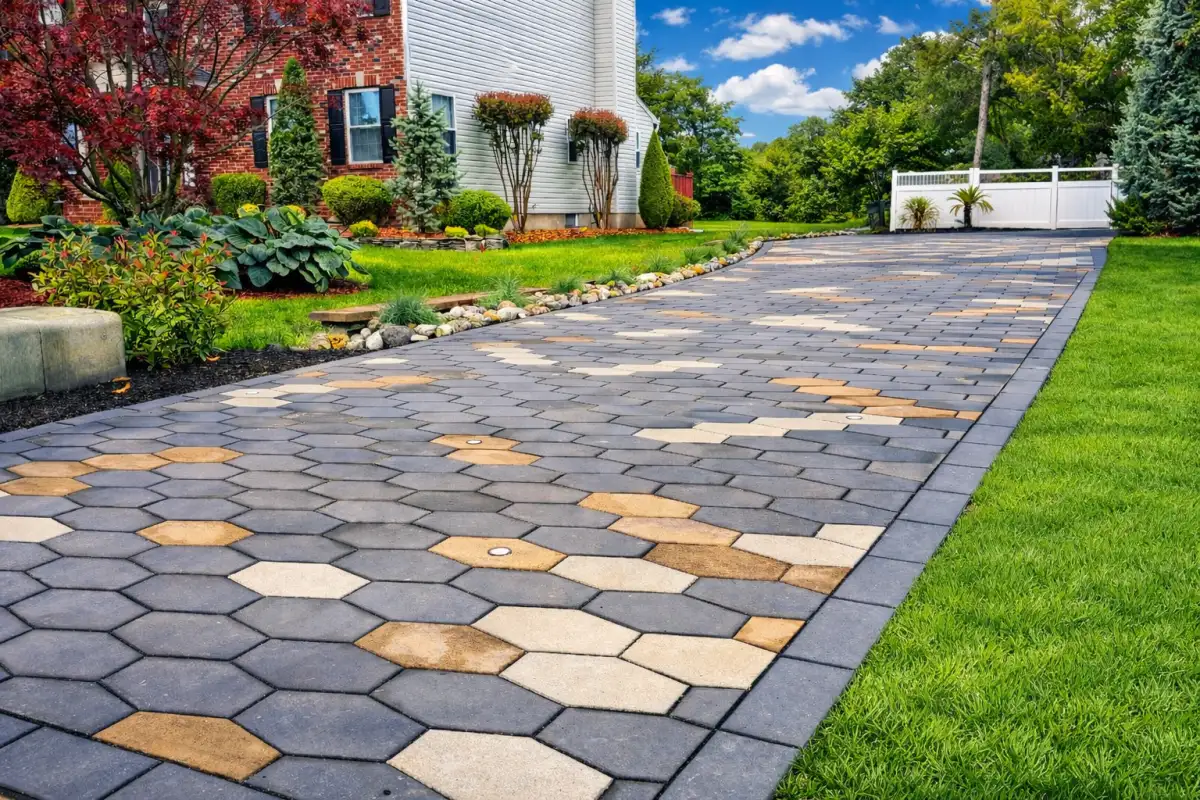
Before booking hardscaping, Atlantic City homeowners usually want two kinds of answers: what the project will cost and what will keep it performing after the crew leaves. Both depend on more than the visible paver, cap, or wall block. The existing grade, water movement, excavation, base, edges, access, and connections to the rest of the property all shape the installed scope.
Shore-area properties add another layer. Sandy soil, salt air, wind exposure, compact lots, limited material staging, parking edges, seasonal use, and stormwater movement may influence the recommendation. Miller's provides hardscaping across South Jersey and serves homeowners through its Atlantic City service area. These are the questions worth settling before you approve the work.
What Is Usually the Most Expensive Part of Hardscaping?
There is no universal answer because the costliest part changes with the property. On one project it may be demolition and disposal. On another it may be restricted access, excavation, drainage work, retaining requirements, steps, or a material with complex cutting and border details.
Ask the contractor to explain the work below and around the finished surface: excavation depth, base materials, compaction, bedding, edge restraint, drainage provisions, reinforcement where needed, joint material, backfill, cleanup, and repairs to disturbed lawn or beds. A lower total may simply describe a different scope.
Can You Compare Contractors by an Hourly Rate?
An hourly figure by itself does not tell you whether two proposals are comparable. It leaves out crew size, equipment, material handling, demolition, disposal, site preparation, cleanup, and the amount of work included in the number. A complete hardscaping estimate is more useful than a labor rate without context.
Compare the written layout, quantities, product names, preparation, drainage, transitions, exclusions, change process, and total price. Also confirm who will approve final elevations and how unexpected conditions will be documented before additional work begins.
Which Atlantic City Conditions Need to Be Addressed?
Ask how the plan responds to the property in front of you rather than to a standard detail. Point out downspouts, low areas, door thresholds, basement or crawl-space entries, neighboring pavement, utilities, fences, parking, and the route materials would take to the work area.
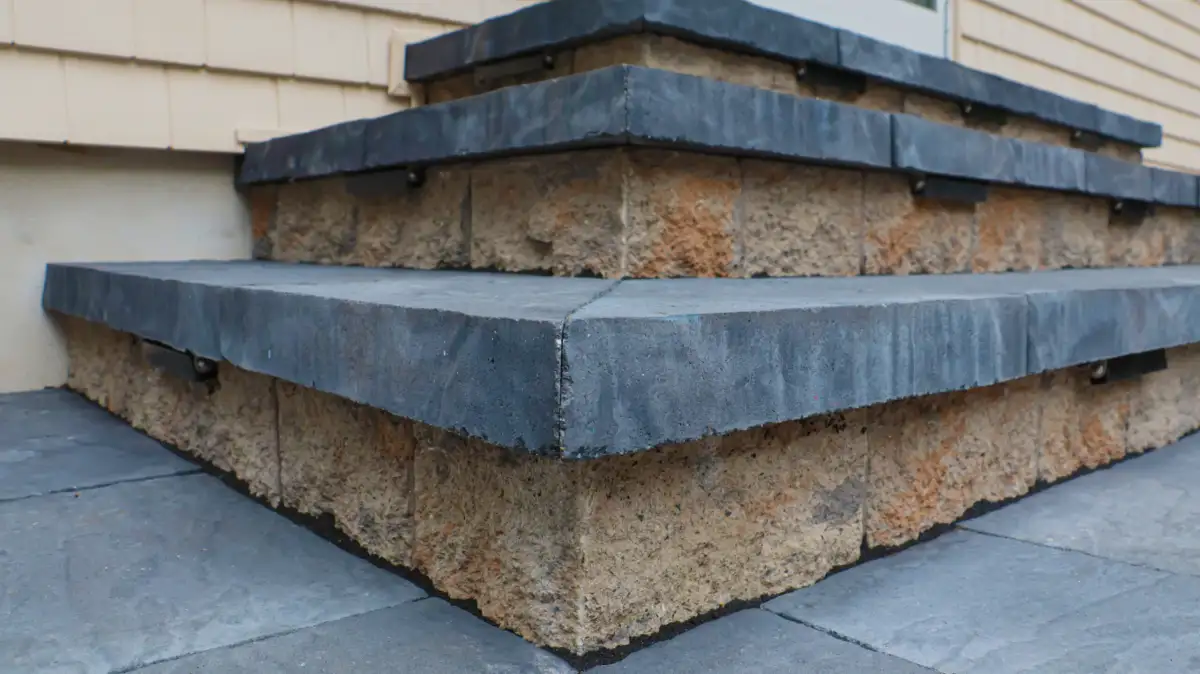
For an Atlantic City lot, discuss sandy soil, wind-driven debris, salt exposure, stormwater movement, tight staging, and seasonal occupancy when they apply. The proposal should explain where water is expected to travel after the new surface changes the grade. For steps and walls, it should also clarify transitions, drainage behind the structure, and any site-specific reinforcement in the recommended design.
Ready for a Property-Specific Hardscaping Estimate?
Tell Miller's what you want to build, where water collects, how crews can access the area, and which timing concerns matter for the property.
Request a Free EstimateWhat Warning Signs Should You Look for in Existing Hardscaping?
Before replacing or extending an existing surface, note what is already happening. Rocking or sunken pavers, open joints, loose edging, water that remains after rain, erosion beside a walkway, leaning or displaced wall units, recurring stains, and abrupt step heights all deserve a closer look.
A symptom does not prove one specific cause. It does tell the contractor where to investigate grade, runoff, support, edge restraint, drainage, and connections to adjacent surfaces. If the new project ties into existing work, ask what can be retained and what should be rebuilt so an old problem is not carried into the new installation.
What Maintenance Comes After Installation?
Maintenance expectations belong in the decision, not only in the final walkthrough. Ask how to clean the selected surface, manage weeds or moss in joints, respond to stains, inspect edges, and keep nearby drains or outlets clear. Ask which winter products are compatible with the material and whether sealing is appropriate, optional, or unnecessary for that product.
Also ask what early movement should be reported. Catching a loose edge, displaced joint material, or drainage obstruction early is different from waiting until settlement or water movement affects a larger area. Keep the product information and the contractor's care instructions with your property records.
How Much Value Does Hardscaping Add to a Home?
No single percentage applies to every patio, walkway, wall, or market, and a contractor should not promise a guaranteed resale return. Hardscaping is easier to evaluate when you begin with the practical outcome: safer circulation, usable seating, controlled grade changes, a cleaner transition from house to yard, or an outdoor area that fits daily life.
Durability, condition, workmanship, proportion, and maintenance all affect how the improvement is perceived later. Avoid using resale value to justify an oversized feature that crowds access, lawn, parking, or drainage. A well-fitted project should make the property more useful first.
Should Lighting, Planting, or Irrigation Be Planned Now?
Even when those upgrades come later, planning their routes before construction can prevent avoidable disturbance. If you expect to add outdoor lighting, sprinkler installation, planting, or a larger outdoor living space, ask whether sleeves, conduit routes, bed lines, or irrigation changes should be coordinated before the base is complete.
Phasing can work when each phase has a clear boundary. Ask which future connections should be prepared now and which can wait without cutting through completed hardscaping.
What Should Be Written Down Before You Book?
- The feature dimensions, layout, elevations, material names, colors, borders, caps, and visible finish details.
- Demolition, excavation, base preparation, drainage, edge restraint, reinforcement, disposal, cleanup, and repair work.
- How the new surface will meet doors, steps, driveways, curbs, fences, lawns, beds, and existing hardscaping.
- Access, staging, parking, property protection, daily cleanup, and any seasonal-use constraints.
- Maintenance responsibilities, the process for changes, exclusions, payment terms, and any written warranty information actually offered for the work.
If you are still organizing the on-site conversation, use the previous Atlantic City hardscaping site-walk checklist. For more context on excavation, materials, access, and total scope, read Miller's South Jersey hardscaping cost guide.
FAQ: Atlantic City Hardscaping Decisions
What is usually the most expensive part of a hardscaping project?
There is no single costliest item for every property. Excavation, access, demolition, base preparation, drainage, retaining requirements, material selection, and edge or step details can each drive the total. A written estimate should separate enough of the scope to show what the project requires below and around the finished surface.
Is an hourly rate enough to compare hardscaping estimates?
No. An hourly figure does not show crew size, equipment, excavation, materials, disposal, base preparation, drainage, cleanup, or the amount of work included. Compare the complete written scope, exclusions, material specifications, change process, and total price.
How much value does hardscaping add to a home?
No responsible contractor can promise a universal dollar return. The result depends on the feature, condition, usability, workmanship, maintenance, and the local real estate market. Plan first for a durable improvement that fits the property and how you expect to use it.
What maintenance should be discussed before installing pavers?
Ask about routine cleaning, joint care, weed and moss control, stain response, drainage checks, edge inspection, winter products, and whether sealing is appropriate for the selected material. The proposal or closeout conversation should make homeowner maintenance responsibilities clear.
Does Miller's Landscaping provide hardscaping in Atlantic City, NJ?
Yes. Atlantic City is within Miller's Landscaping LLC's South Jersey service area. Homeowners can request an estimate through the contact page or call (856) 832-7958.
Discuss Your Atlantic City Hardscaping Project
Share the feature, property conditions, access, and timing you have in mind. Miller's Landscaping will follow up to arrange the right next step.
Contact Miller's Landscaping