
A hardscaping estimate is most useful when it answers more than “What will the surface look like?” Before booking, an Atlantic City homeowner should understand what the space is meant to do, how water will leave it, what preparation is included, and how access or approvals could affect the work.
Those details matter throughout South Jersey. Near the shore, compact lots, sandy ground, wind and salt exposure, parking limits, neighboring grades, and seasonal property use can add another layer of planning. The questions below help turn an attractive idea into a scope you can compare and maintain.
1. Is Hardscaping the Right First Step?
Start with the outcome, not the material. If the goal is a stable dining area, a cleaner path to an entrance, a defined grade change, or a gathering space, hardscaping may be the main part of the solution. If the problem is standing water, poor circulation, unfinished planting beds, or a yard that lacks shade and privacy, the project may also need grading, planting, lighting, or irrigation coordination.
Miller's provides hardscaping in South Jersey for patios, walkways, walls, steps, and connected outdoor areas. For projects that combine several functions, review the outdoor living service before deciding whether to build one element or plan the full space in phases.
2. How Will People Actually Use the Space?
Measure the activity, not just the empty ground. A patio needs room for furniture plus comfortable movement around it. A walkway should connect the routes people already take. Steps, gates, grill zones, pool edges, doors, trash storage, mower access, and service equipment can all change a layout that looked simple on paper.
Atlantic City properties may also have summer traffic, short-term rental turnover, or limited off-street parking. Discuss how many people normally use the property, which entrances stay busy, and whether the work must preserve a path through a tight side yard.
3. Where Will Stormwater Go After Installation?
Every new patio, walk, wall, or driveway changes a portion of the lot. Before booking, identify roof leaders, drains, low areas, eroded edges, neighboring grades, and any place water already collects. Ask how the proposed elevations and edges will move water without directing it toward a foundation, doorway, adjacent property, or another problem area.
Atlantic City's official stormwater guidance encourages reducing impervious surfaces and considering pervious pavement, pavers, or bricks where practical. That general guidance does not replace a property-specific plan, but it is a useful reason to make runoff part of the estimate instead of an afterthought.
Put Site Conditions Into the First Conversation
Share where water collects, how crews can reach the work area, and which doors, parking spaces, or utilities need to remain usable.
Request a Free Estimate4. What Preparation Is Included Below the Finished Surface?
The visible paver, stone, or wall unit is only one part of a hardscape. The written scope should explain demolition or removal, excavation, base preparation, compaction, edge restraint, grading, drainage work, bedding and joint materials, disposal, and restoration around the new feature where those items apply.
Sandy ground does not make preparation unimportant. Existing fill, disturbed soil, groundwater, roots, buried utilities, and the intended load all influence what the site needs. Ask what conditions are assumed and how an unexpected condition would be documented before extra work proceeds.
5. Do the Material and Pattern Fit the Property?
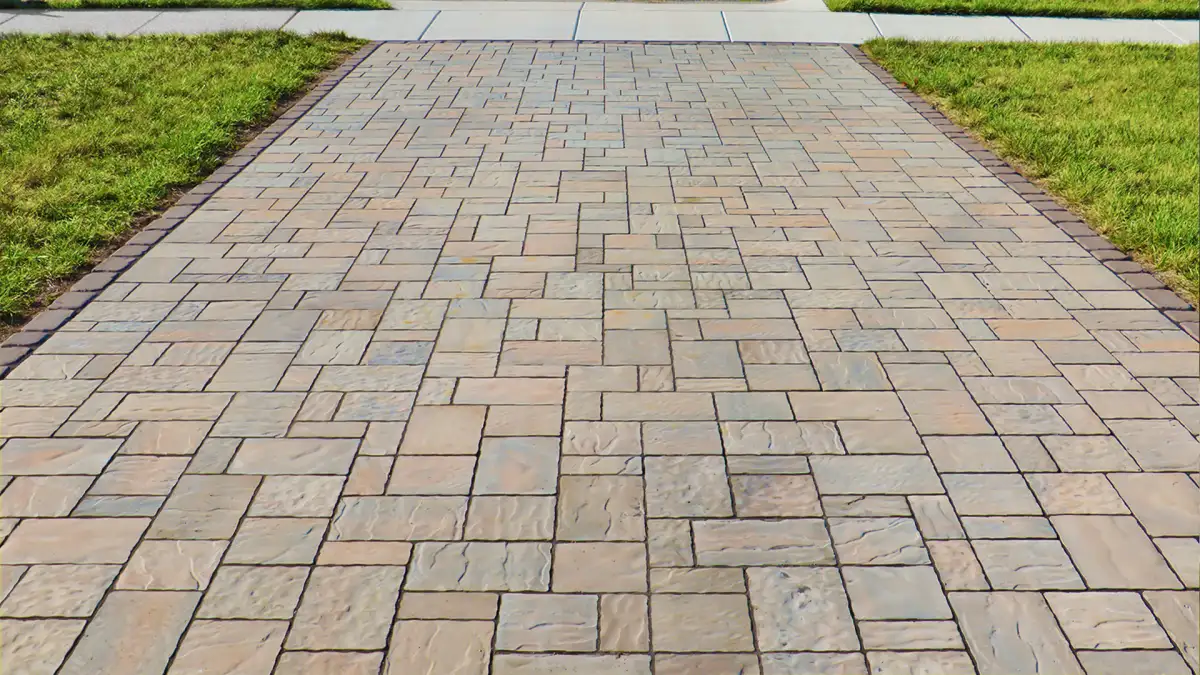
Choose a surface for use, care, transitions, and the architecture—not color alone. Unit size and pattern can affect the number of cuts, waste, visual scale, and labor. Surface texture matters around steps or wet areas. The selected system also needs compatible edges, joints, caps, and transitions to existing concrete, asphalt, lawn, beds, fences, or pool surrounds.
Ask to review actual manufacturer specifications and care guidance for the proposed product. If future outdoor lighting, planting, or sprinkler changes are likely, coordinate sleeves or routes before the hardscape closes access.
6. What Does the Price Include—and Exclude?
Comparing only a square-foot or hourly number can hide major scope differences. One estimate may include demolition, disposal, drainage, material delivery, site protection, cleanup, and lawn repair while another treats them separately. The proposal should state dimensions or quantities, materials, preparation, access assumptions, responsibilities, exclusions, payment terms, change procedures, and any written warranty actually offered.
There is also no universal “cheapest” hardscape. Simple geometry, a modest footprint, and standard-size materials may reduce cuts and labor, but they do not remove the need for sound base preparation and water management. The South Jersey hardscaping cost guide explains the major cost drivers in more detail.
7. Which Approvals and Scheduling Constraints Apply?
Before setting a start date, determine whether the work needs municipal review, utility marking, association approval, survey confirmation, or coordination with another trade. Requirements depend on the property and scope, so do not assume that a neighbor's project followed the same path.
Also discuss material lead times, weather, work access, parking, waste removal, and any dates when the property cannot accommodate construction. For a focused view of local site and staging considerations, visit the Atlantic City hardscaping page.
8. What Care and Warning Signs Should You Expect?
Hardscaping is durable, but no installed surface is maintenance-free. Depending on the system, care may include sweeping, stain cleanup, vegetation control, joint maintenance, careful snow removal, periodic washing, or manufacturer-approved sealing. Ask which products and tools to use or avoid.
Recurring puddles, moving or rocking units, spreading joints, washed-out edges, or changes near a wall deserve attention. Confirm whom to contact, what information to provide, and how any post-installation concern will be evaluated. Homeowners can also use the Atlantic City service-area guide to connect hardscaping with related property services.
FAQ: Atlantic City Hardscaping Before Booking
What are the drawbacks of hardscaping?
Hardscaping can reduce planted or permeable area, redirect runoff, hold heat, and add cleaning or joint-care needs. A well-planned footprint balances usable surface with drainage, planting, access, and maintenance space.
What is the most expensive part of landscaping?
There is no single most expensive part for every property. Demolition, excavation, access, drainage, structural work, material choices, and labor can each drive cost. Compare the complete written scope rather than one material or hourly rate.
What is the least expensive hardscape?
There is no universal lowest-cost hardscape. A smaller, simple layout with standard materials may reduce labor and waste, but access, excavation, base preparation, drainage, edges, and restoration still affect the installed cost.
Is hardscaping more expensive than landscaping?
It depends on the scale, site conditions, materials, preparation, planting plan, and long-term care. Hardscaping often has more excavation and structural preparation, while extensive planting, grading, irrigation, or ongoing maintenance can also be significant. Compare complete project scopes.
Does Miller's Landscaping serve Atlantic City, NJ?
Yes. Miller's Landscaping LLC serves Atlantic City, NJ. Request a hardscaping estimate online or call (856) 832-7958.
Talk Through Your Atlantic City Hardscaping Plan
Tell Miller's what you want the space to do, where water moves now, and which access or scheduling details may shape the project.
Contact Miller's Landscaping