
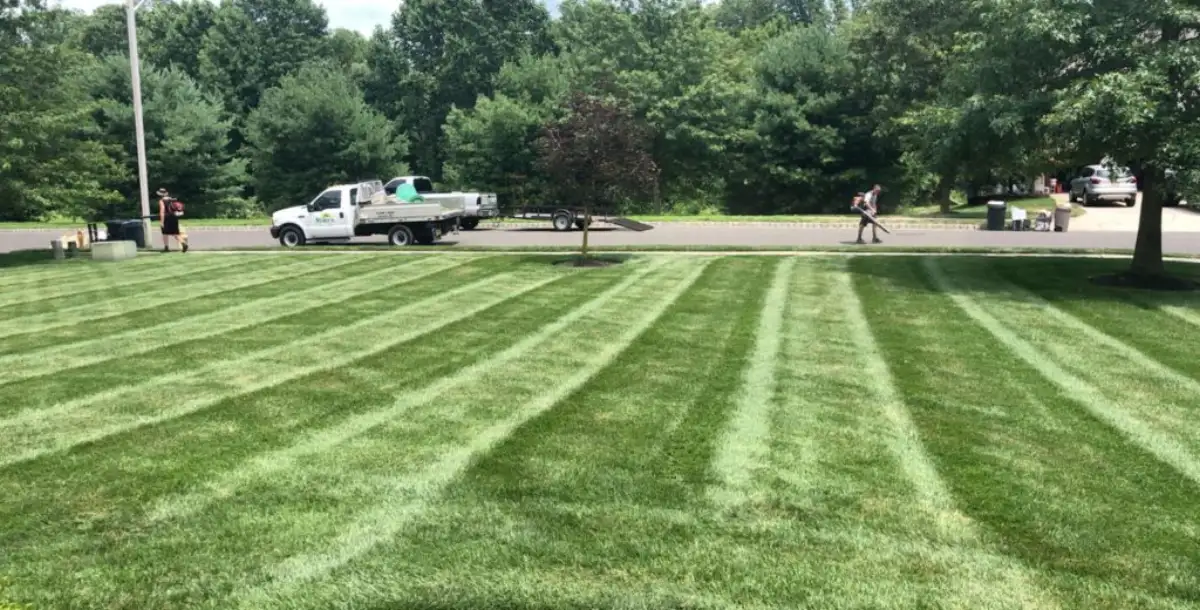
Lawn Fertilization & Weed Control in South Jersey
A custom 7-step fertilization and weed control program built for New Jersey's Zone 7a climate. Thicker grass, fewer weeds, and a lawn that stays green from spring through fall.
What Does Lawn Fertilization Cost in South Jersey?
Professional lawn fertilization and weed control in South Jersey typically costs $50 to $80 per application for a standard residential property, or $350 to $550 per year for a complete 7-step program. The exact price depends on lawn size, soil conditions, and which treatments your turf needs. Miller's Landscaping provides a free lawn evaluation and custom quote so you know the price before any work begins.
New Jersey's Zone 7a climate creates unique challenges for lawn care. The humid summers promote crabgrass and fungal diseases, while acidic clay soils common across Gloucester, Camden, and Salem counties lock out nutrients even when you fertilize. A professional program addresses all of these factors with the right products applied at the right time, rather than the one-size-fits-all approach you get from retail store fertilizers.
Our 7-step fertilization program is specifically designed for cool-season grasses in South Jersey. Each application is timed to match natural growth cycles, using professional-grade slow-release formulations that feed your lawn steadily over 6 to 8 weeks without the surge-and-burn pattern of cheap retail products.
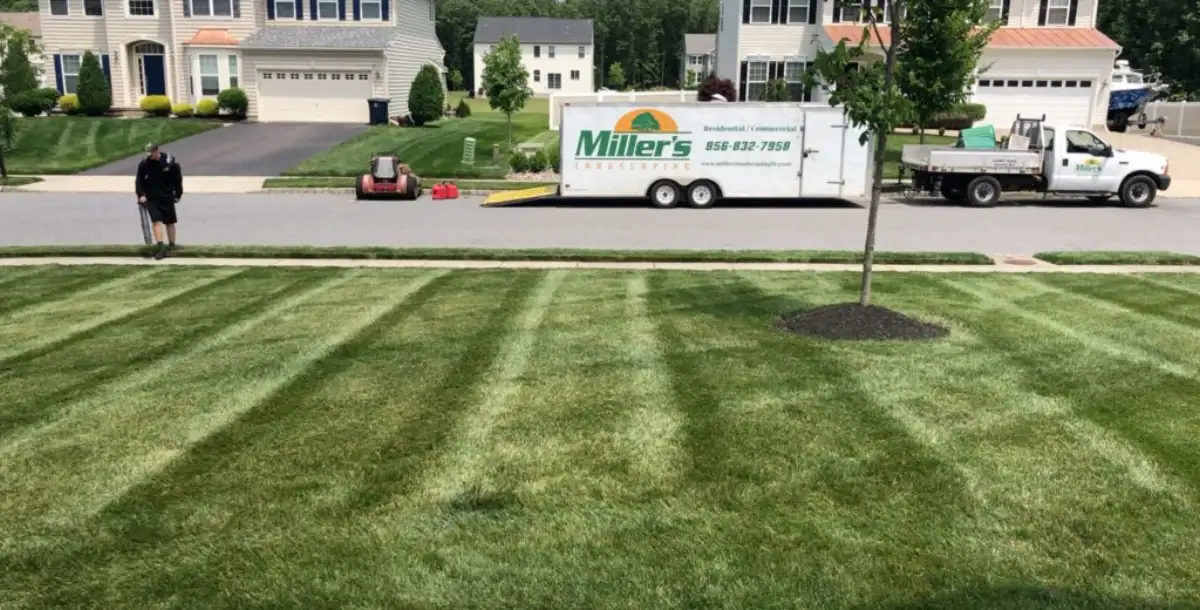
The 7-Step Fertilization & Weed Control Program
Each step is timed to New Jersey's soil temperatures and growing seasons. Professional-grade products applied by trained technicians who adjust rates based on your specific turf conditions.
Step 1: Early Spring Pre-Emergent
Applied when soil temperatures reach 55 degrees (typically late March in South Jersey). Pre-emergent crabgrass preventer creates a barrier that stops crabgrass seeds from germinating. Paired with slow-release fertilizer to fuel spring green-up without burning tender new growth.
Step 2: Late Spring Broadleaf Control
Targets dandelions, clover, plantain, and other broadleaf weeds that emerge in April and May. Balanced fertilizer provides steady nitrogen for consistent growth without excessive clipping volume that strains your lawn during mowing.
Step 3: Early Summer Insect & Grub Prevention
Second crabgrass barrier application plus surface-feeding insect control. Preventive grub treatment stops Japanese beetle larvae before they destroy root systems. Iron supplement produces deep green color without pushing excess top growth during heat stress.
Step 4: Mid-Summer Spot Treatment
Targeted spot-treatment of any breakthrough weeds. Light fertilizer sustains turf through the hottest weeks of July and August. We monitor for signs of fungal disease like brown patch, which thrives in South Jersey's humid summers. See our summer lawn care checklist for additional tips on protecting your lawn through the heat.
Step 5: Early Fall Heavy Feed
The most important application of the year. Heavy fertilizer during peak root growth in September builds the reserves your lawn needs for winter survival and fast spring green-up. Broadleaf weed control targets fall-germinating weeds like henbit and chickweed.
Step 6: Late Fall Winterizer
High-potassium winterizer fertilizer hardens turf cells against freeze damage. Final broadleaf treatment catches any remaining weeds before dormancy. This application is what separates lawns that green up in March from lawns that stay brown until May.
Step 7: Lime & Soil Correction
pH correction based on soil test results. New Jersey soil is naturally acidic, which prevents grass from absorbing nutrients even when fertilizer is present. Lime restores soil pH to the 6.2 to 6.8 range where nutrient uptake is maximized. Applied annually or as soil tests indicate.
Why Professional Products Outperform Store-Bought Fertilizer
The fertilizer you buy at a hardware store is designed for national distribution. It uses fast-release nitrogen that produces a surge of green growth for 2 to 3 weeks, then burns out. The result is a boom-and-bust cycle that stresses turf, promotes thatch buildup, and leaves your lawn vulnerable between applications.
Our professional-grade fertilizers use slow-release nitrogen technology that feeds evenly over 6 to 8 weeks. The nitrogen is coated in polymer or sulfur-coated urea that breaks down gradually based on soil temperature and moisture, delivering consistent nutrition without the flush-and-fade pattern of retail products.
We also rotate our broadleaf herbicide chemistry each season. South Jersey homeowners who apply the same weed control product year after year are seeing increasing resistance in common weeds like clover and ground ivy. Our rotation program prevents resistance buildup and keeps your lawn weed-free long term.
- Slow-release nitrogen for 6-8 weeks of steady feeding
- Herbicide rotation prevents weed resistance
- Application rates calibrated to your soil test results
- Professional-grade products not available at retail
- Trained applicators with commercial equipment
Common Weeds We Control in South Jersey Lawns
South Jersey lawns face pressure from dozens of weed species across all four seasons. Our program targets the most problematic weeds in our area with the right products applied at the right growth stage for maximum effectiveness.
Spring and summer weeds: Crabgrass is the number one weed problem in our area. Our pre-emergent barrier applied before soil hits 55 degrees stops it before it starts. For properties where crabgrass has already emerged, we use post-emergent applications timed to the 2 to 4 tiller stage when the plant is most vulnerable.
Broadleaf weeds: Dandelions, clover, plantain, ground ivy, and violets are controlled with selective herbicides that kill weeds without harming your grass. We apply broadleaf control during active growth periods in spring and fall when the weeds are absorbing nutrients and translocating the herbicide to their root systems.
Fall and winter weeds: Henbit, chickweed, and annual bluegrass germinate in fall when most homeowners have stopped thinking about weed control. Our late fall application catches these weeds before they establish.
- Pre-emergent crabgrass prevention (spring)
- Post-emergent broadleaf weed control (spring and fall)
- Nutsedge treatment (summer, as needed)
- Fall weed prevention for winter annuals
- Targeted spot treatments between applications
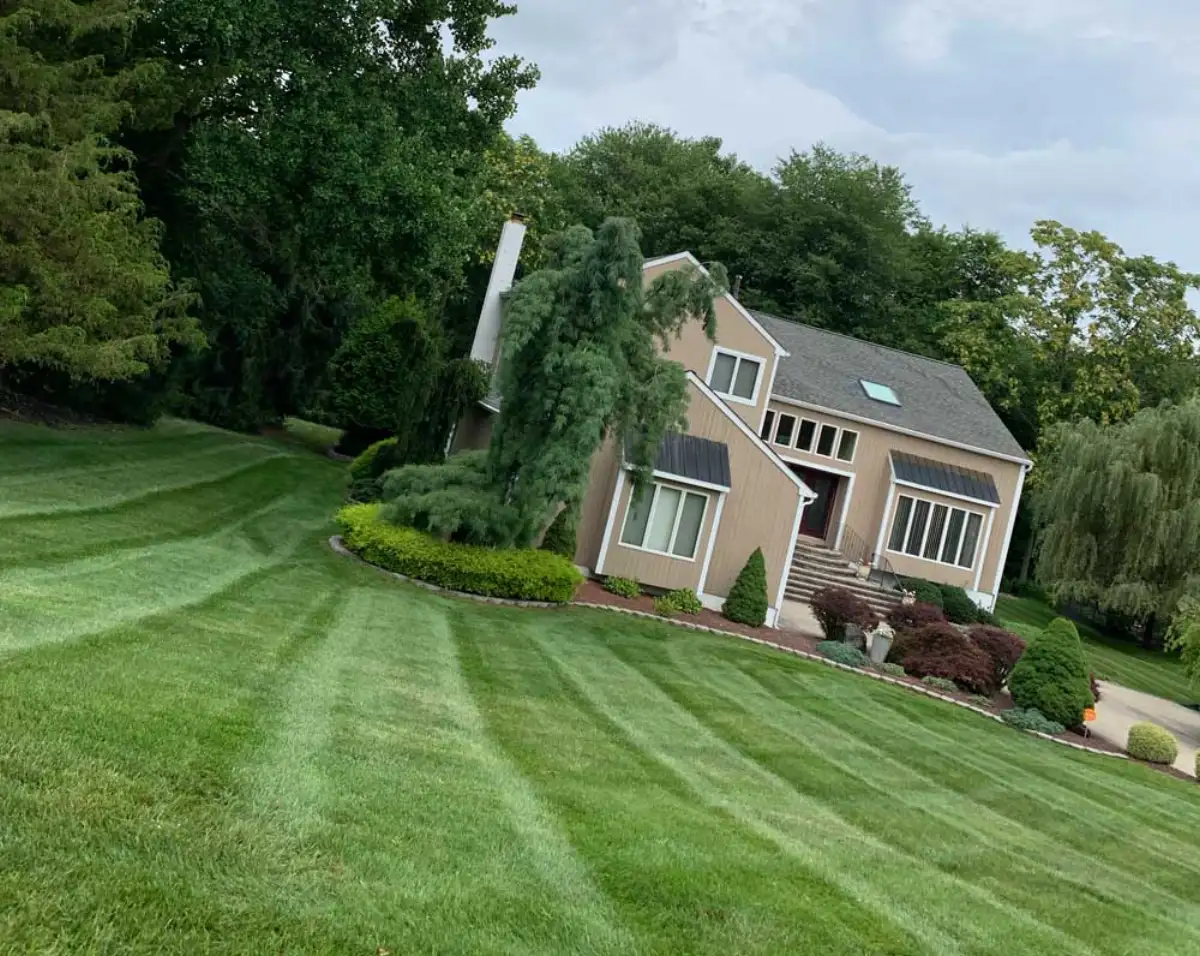
"Our lawn was full of crabgrass and bare spots when we hired Miller's. After one full season on their fertilization program, the difference is incredible. Thicker grass, no weeds, and the deepest green color we have ever had."
"I used to spend hundreds on store-bought fertilizer and weed killer and my lawn still looked terrible. Miller's professional program costs about the same and the results are not even comparable. Should have done this years ago."
Lawn Fertilization FAQ
Cool-season lawns in South Jersey benefit from 5 to 7 fertilizer applications per year, spaced roughly 4 to 6 weeks apart from early spring through late fall. The most critical applications are the fall feedings in September and October, when your lawn is building root reserves for winter dormancy and next spring's green-up. Our 7-step program handles all the timing so you never miss a window.
For most South Jersey homeowners, professional fertilization costs about the same as buying retail products yourself ($350-$550 per year for a standard lot) but delivers significantly better results. Professional-grade slow-release formulations, calibrated application rates, and proper timing produce thicker turf with fewer weeds within the first full season. You also eliminate the time spent researching, purchasing, storing, and applying products yourself.
Pre-emergent crabgrass preventer should be applied when soil temperatures reach 55 degrees Fahrenheit, which typically happens in late March to early April in South Jersey. Applying too early means the product breaks down before crabgrass germinates in late spring. Applying too late means crabgrass has already started growing and the barrier is ineffective. We monitor soil temperatures and time our applications precisely for maximum protection.
Most South Jersey lawns benefit from periodic lime applications. New Jersey soil is naturally acidic (low pH), and acidic soil prevents grass from absorbing nutrients even when fertilizer is applied. A soil test reveals your exact pH level. If it falls below 6.0, lime brings it back to the ideal 6.2 to 6.8 range where nutrient uptake is maximized. We include soil testing and lime application as part of our complete program.
Complete Your Lawn Care Program
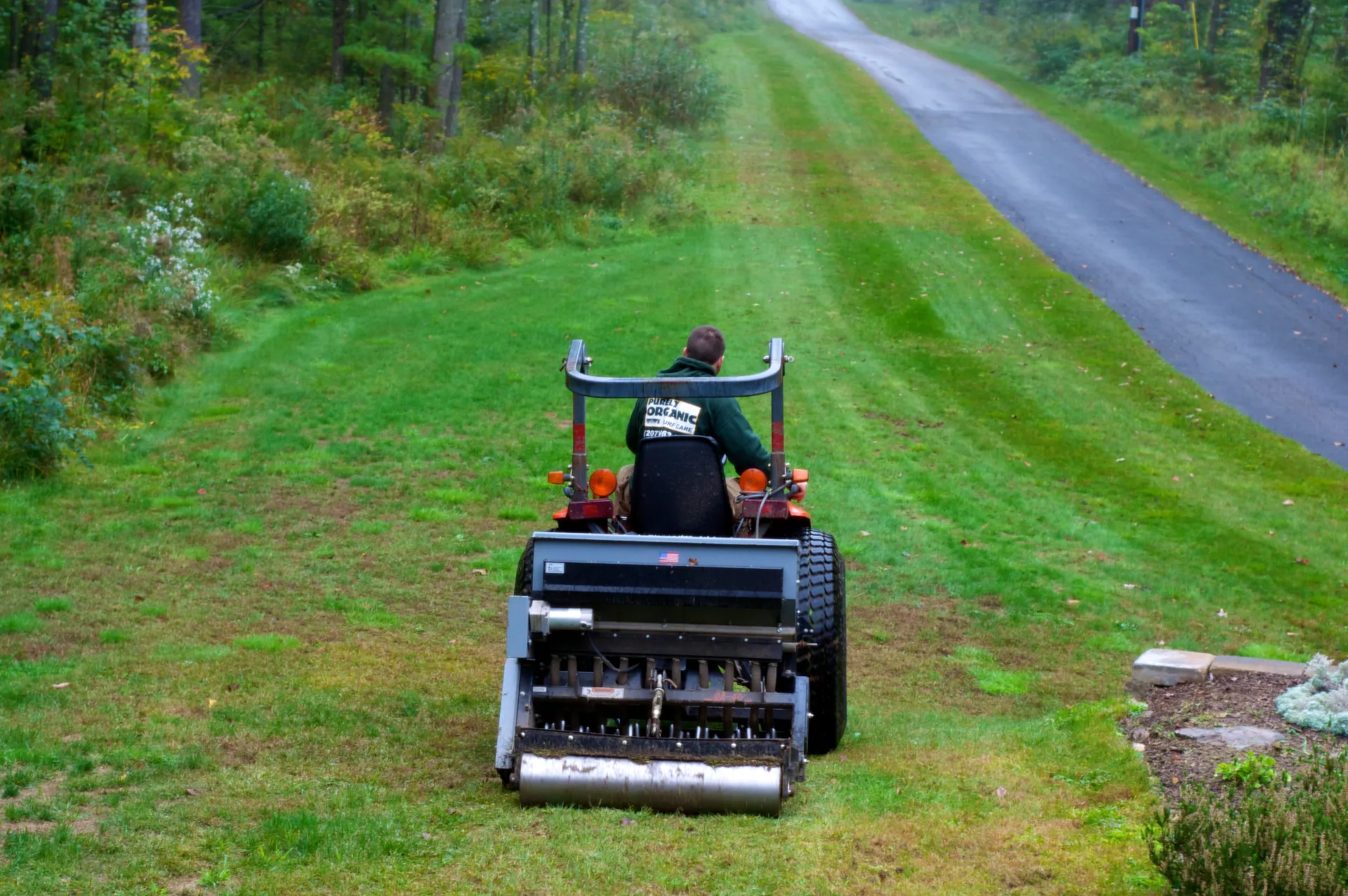
Aeration & Overseeding
Relieve soil compaction and thicken thin turf. Best paired with fertilization for maximum results.
Learn More →Landscape Maintenance
Weekly mowing, seasonal cleanup, and year-round lawn care to keep your property looking its best.
Learn More →
Sod Installation
New lawn in a day. Premium sod varieties selected for New Jersey's climate.
Learn More →Ready for a Greener, Weed-Free Lawn?
Get a free lawn evaluation and custom fertilization quote. We serve homeowners across all 6 South Jersey counties.