(856) 832-7958
Completed paver patio and walkway by Miller's Landscaping

Hardscaping in Egg Harbor Township, NJ

Patios, walkways, retaining walls, steps, and gathering spaces planned around drainage, long driveway approaches, wooded edges, irrigation zones, and the way your property is used.

Connect the House, Yard, and Driveway Without Creating New Drainage Problems

Egg Harbor Township yards can give a hardscape room to breathe, but extra space does not make the layout automatic. On larger lots, the useful route from a driveway to the front door, side yard, patio, or backyard may be long. Wooded edges can bring shade and leaf debris. Open turf may already depend on several sprinkler zones. Grade changes and roof runoff still decide where water moves after a new surface is added.

Miller's Landscaping starts with those working conditions before settling on a pattern or color. The walkthrough considers door thresholds, downspouts, low areas, mower and equipment access, existing beds, lawn transitions, irrigation heads, and future lighting routes. That keeps a patio from blocking the yard, a walkway from ending in a wet spot, or a wall from becoming disconnected from the rest of the landscape.

Explore the full South Jersey hardscaping service, see all landscaping services in Egg Harbor Township, or review Miller's Landscaping's complete South Jersey service area.

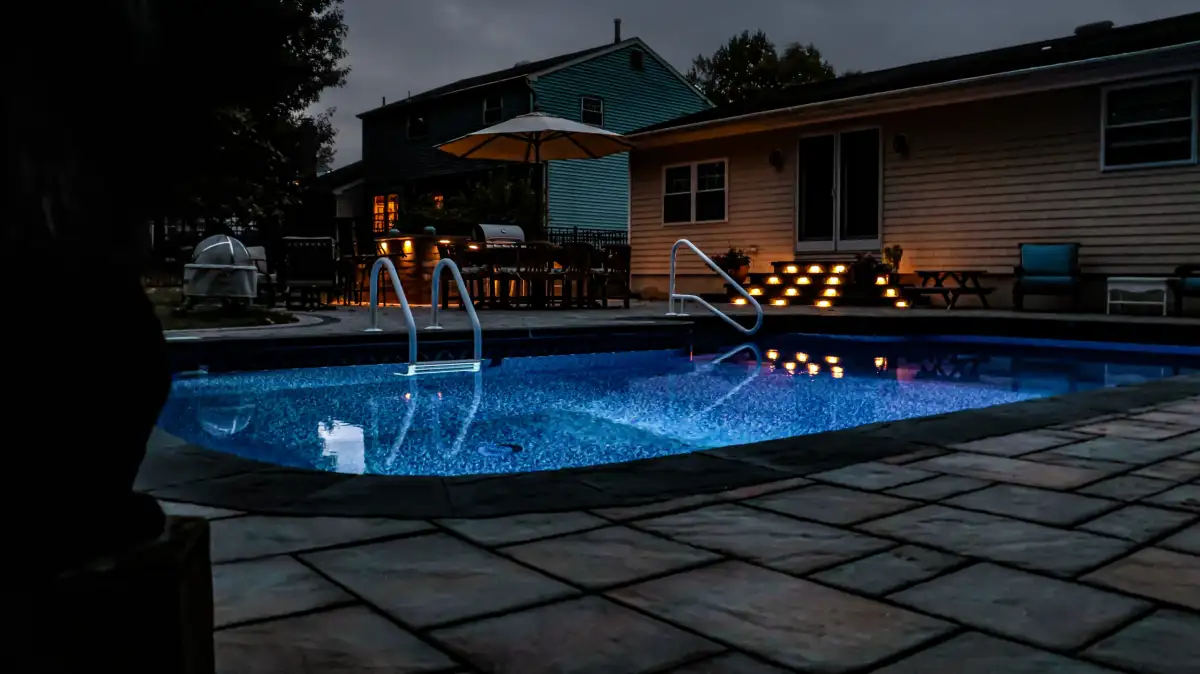
Paver patio with defined edges and connected outdoor seating areas

Hardscape Features That Solve Different Property Needs

The strongest plan starts with the job the surface needs to do, then matches the layout and material to that use.

Patios and Gathering Areas

A patio should fit real furniture, circulation, grilling, sun and shade, and the route back to the house. For a larger backyard, defined zones can feel more comfortable than one oversized paved field while leaving room for lawn, beds, and future improvements.

Walkways, Steps, and Driveway Connections

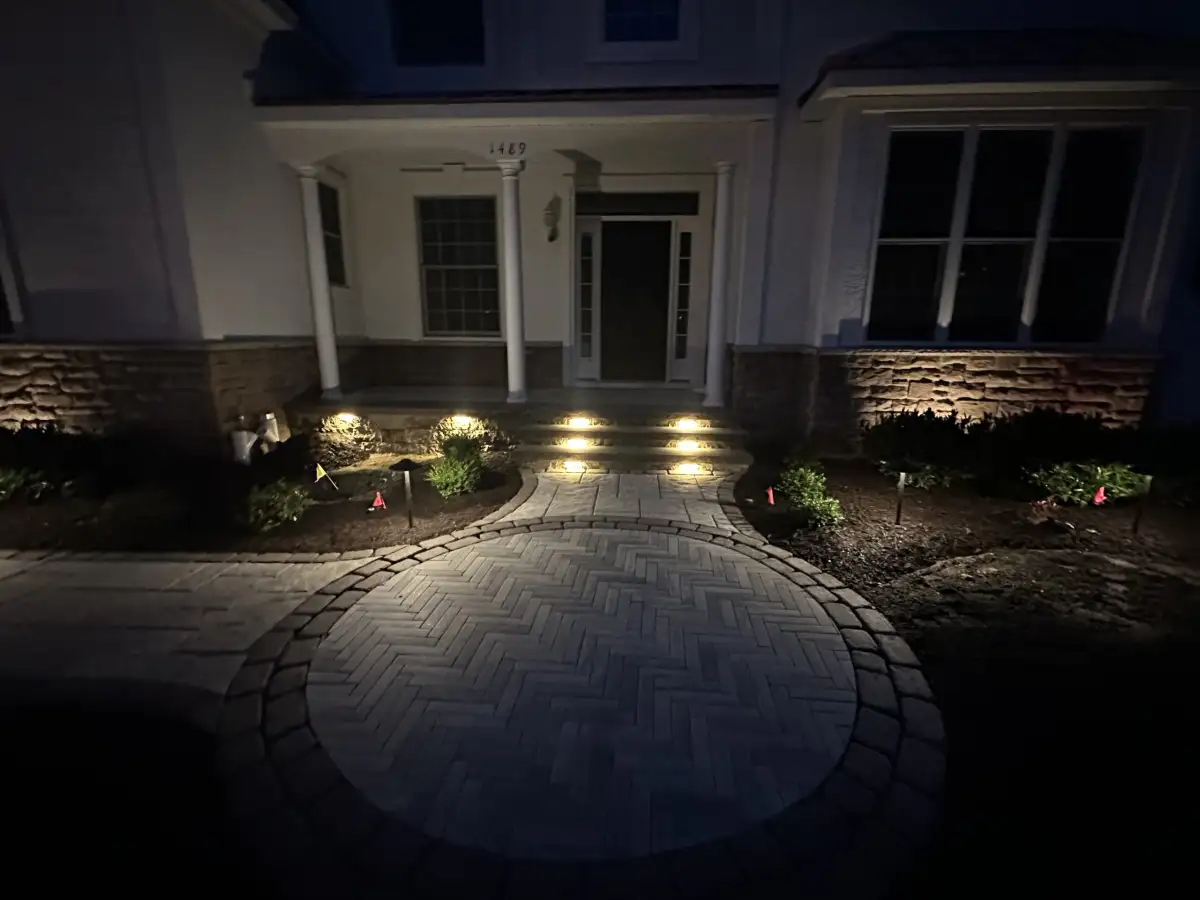
Walkways create a durable route across open turf and between long driveway approaches, entrances, side yards, and patios. Width, slope, step placement, lighting, and mower crossings all matter when the path has to work every day.

Retaining and Seating Walls

Walls can manage grade, define a patio edge, frame a planting area, or add permanent seating. The scope should address drainage stone, block system, reinforcement when required, wall caps, and clean transitions to the lawn, beds, steps, or driveway.

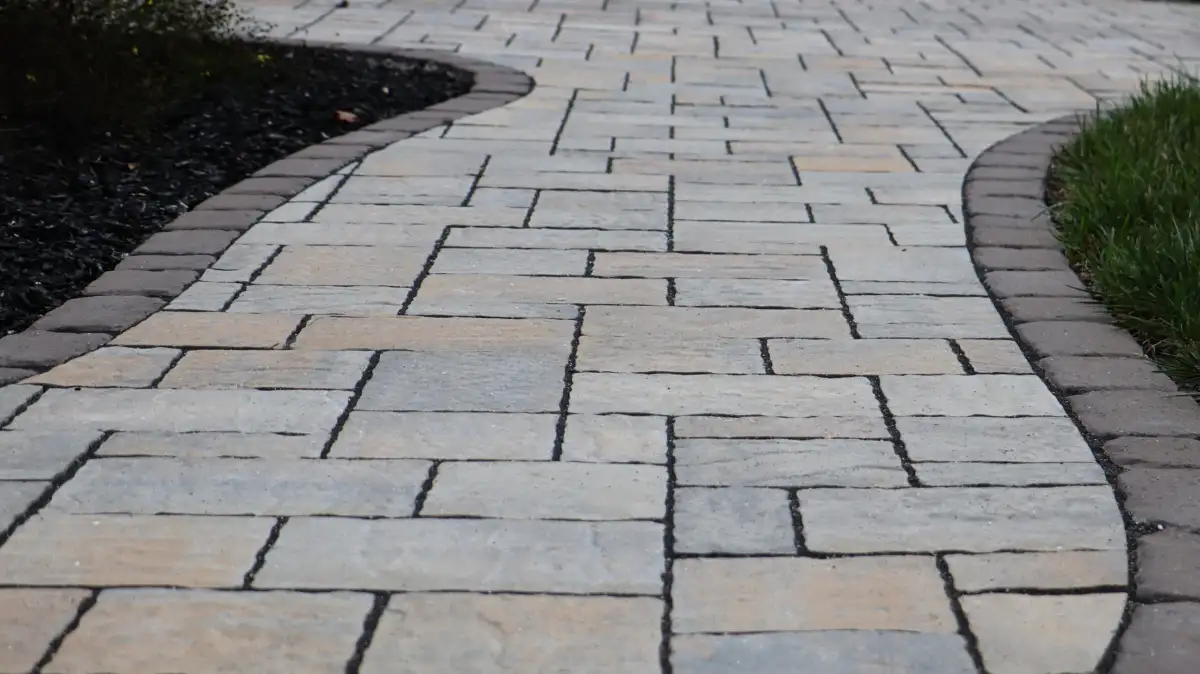
Close view of paver joints, border, and finished hardscape edge

Base Preparation, Water Movement, and Edge Details Protect the Finished Surface

The visible material is only part of a hardscape. Excavation depth, compacted base, grading, edge restraints, joints, and drainage determine how the finished surface performs. Where a project meets a shaded side yard, open lawn, downspout, bed, or driveway, those transitions deserve as much attention as the center of the patio.

Material selection should follow the function. Concrete pavers offer a wide range of patterns and allow individual units to be repaired. Poured concrete creates a continuous surface. Natural stone has its own color and texture variation. None of those options replaces sound preparation, and no single material is right for every Egg Harbor Township property.

Planning ahead can also prevent rework. If the yard will eventually include outdoor lighting, sprinkler adjustments, landscape design, or a broader outdoor living space, those routes and tie-ins should be discussed before the hardscape is installed.

Four Details to Confirm Before Choosing a Hardscape Scope

An hourly number alone does not show whether two estimates include the same preparation, materials, access plan, or finish work.

1. Function and Dimensions

Confirm what is being built, its approximate size, how people will move through it, and how it connects to doors, driveways, lawn, beds, or existing surfaces.

2. Removal and Preparation

Ask what demolition, excavation, base material, compaction, grading, drainage, and edge restraint work is included below and around the finished surface.

3. Materials and Access

Confirm the paver, stone, concrete, wall block, border, or cap details, along with delivery, equipment access, staging, and protection for lawn and irrigation zones.

4. Finishing and Aftercare

Clarify cleanup, disturbed-lawn restoration, joint or surface care, drainage checks, and which maintenance tasks will help protect the completed work.

Watch for Standing Water, Loose Edges, Weeds, Stains, and Uneven Areas

Routine care depends on the material and exposure. Wooded edges may make leaf and debris removal more frequent, while shaded areas can stay damp longer. Keeping joints and drainage paths clear, cleaning spills before they set, and addressing movement or settling early can prevent a small maintenance issue from spreading.

After heavy rain, note where water collects or where runoff crosses the surface. Along walkways and patio edges, watch for loosened borders or washout. If an irrigation head is spraying the hardscape instead of the lawn or beds, adjustment can reduce unnecessary moisture and staining.

Hardscaping and Outdoor Work Across Atlantic County

Miller's Landscaping also serves nearby Galloway Township, Hamilton Township, Pleasantville, and Somers Point. Shore-property owners can review the separate guide to hardscaping in Atlantic City, NJ, where access, salt air, compact lots, and seasonal use create a different set of decisions.

For project inspiration, browse Miller's Landscaping's hardscaping portfolio. For budget planning, review the South Jersey hardscaping cost guide, then request a property-specific scope through the contact page.

Egg Harbor Township Hardscaping FAQ

The written scope should identify the feature and dimensions, removal work, base preparation, drainage approach, materials, edge restraints, access needs, adjacent surfaces, and any exclusions. Comparing complete scopes is more useful than comparing an hourly rate alone.

Longer routes between a driveway, house, and backyard can change walkway placement and material access. Wooded edges add shade and leaf debris, while existing lawn and irrigation zones need protection. The walkthrough should account for those conditions before the layout is set.

The right material depends on the surface, design, budget, repair priorities, and surrounding architecture. Pavers offer flexible patterns and individual-unit repairs, poured concrete creates a continuous surface, and natural stone provides distinct variation. Base and drainage details matter with every option.

Cost depends on project size, material, excavation, demolition, base depth, drainage work, grade changes, edge details, steps or walls, and equipment access. A property-specific written estimate is the clearest way to compare the full scope.

Yes. Existing sprinkler heads and zones, future conduit or low-voltage lighting routes, planting beds, and lawn restoration should be discussed before the hardscape is installed so finished surfaces do not need to be disturbed later.

Plan an Egg Harbor Township Hardscape Around the Whole Property

Tell Miller's Landscaping what you want to build and how you use the yard. The estimate can address layout, materials, drainage, access, adjacent lawn and beds, and the improvements you may add later.