
Recurring lawn and edge care
Weekly lawn care can include mowing, trimming, and cleanup around walks, fences, beds, and other edges where a compact property can quickly look overgrown.
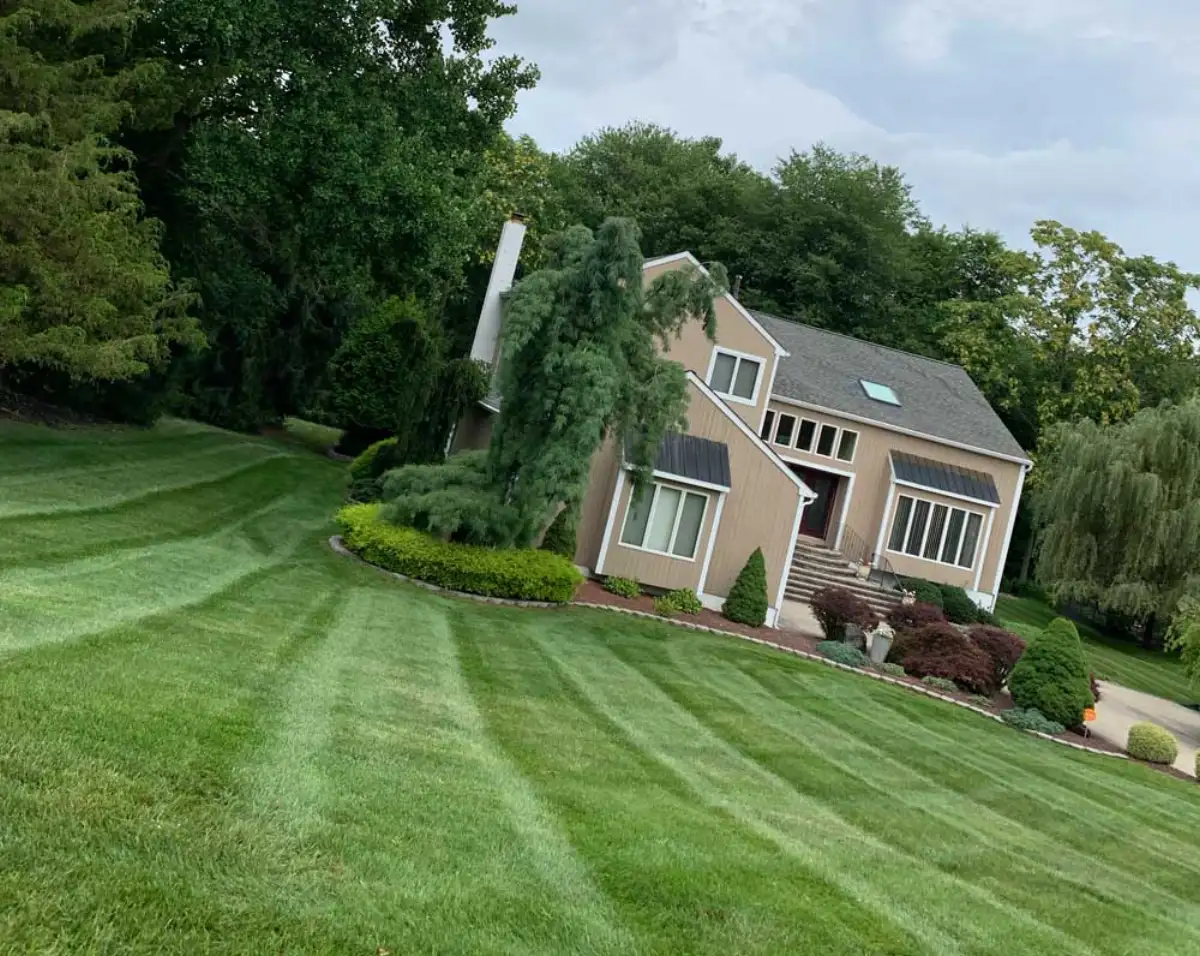
Recurring and seasonal care for lawns, planting beds, entries, and outdoor areas shaped by Atlantic City weather, coastal exposure, property access, and busy-season use.
Atlantic City landscape maintenance is not only about cutting grass. Wind can move sand and debris into beds, coastal exposure can dry plants and turf unevenly, and compact lots often place lawns, parking edges, walkways, and guest entries close together. A useful maintenance scope starts with the parts of the property that need regular attention, then matches the visit schedule to the growing season and the way the site is used.
Homes, seasonal properties, rentals, and small commercial frontages may each need a different balance of recurring care and periodic cleanup. Some sites need consistent mowing and trimming. Others need more attention to bed edges, leaf and debris removal, pruning, mulch or rock, irrigation coverage, or worn turf along high-traffic routes.
Miller's Landscaping provides landscape maintenance across South Jersey and serves properties throughout the Atlantic City service area. The estimate is based on the property rather than a one-size-fits-all package.
Landscape maintenance can combine recurring visits with targeted seasonal work. The estimate should make the tasks and frequency clear.
Weekly lawn care can include mowing, trimming, and cleanup around walks, fences, beds, and other edges where a compact property can quickly look overgrown.
Bed edging, pruning, weed management, and mulch installation help entries and outdoor areas stay orderly while supporting the plants already on site.
Fertilization and weed control, aeration, overseeding, top-dressing, or sod may be considered when the lawn is thin, compacted, or worn by regular foot traffic.
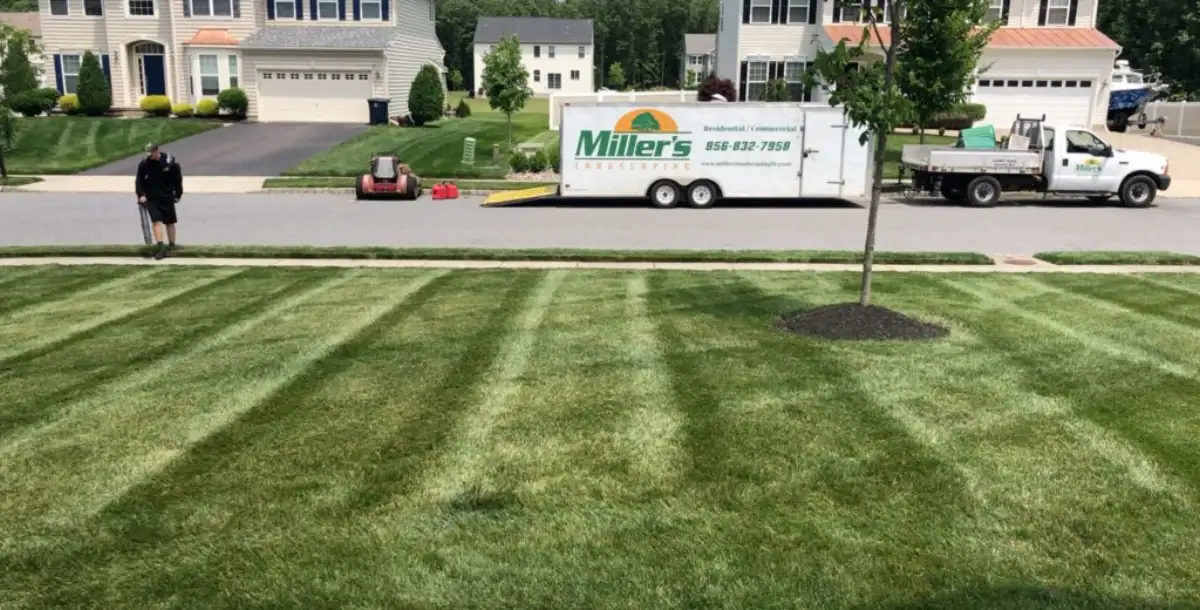
Sandy soils can drain quickly, yet low areas and compacted sections may still hold stormwater after heavy rain. That contrast can leave one part of a yard dry while another stays soft. Before recommending added watering or lawn repair, it helps to look at downspouts, grade, paved surfaces, irrigation coverage, and the direction water takes across the property.
Atlantic City's own stormwater guidance emphasizes managing runoff and reducing unnecessary impervious surface. For routine landscape care, the practical takeaway is to keep soil, mulch, clippings, and debris out of paths where they can wash toward drains. Bed edges and lawn height should also be maintained without blocking the way water leaves the site.
If coverage is uneven or plantings and turf compete for different watering needs, sprinkler planning can be discussed alongside maintenance. The goal is a scope that responds to visible conditions instead of automatically adding treatments.
Spring often begins with debris removal, bed cleanup, edging, and the first lawn visits. During active growth, mowing frequency and cutting height matter more than forcing every task into every visit. Warmer, drier periods call for attention to watering coverage and stress along sidewalks, parking areas, and exposed edges.
Fall shifts the focus toward leaf clean up, removing windblown material, and assessing thin or compacted turf. For a seasonal or rental property, owners can also identify the weeks when entries and outdoor areas receive the most traffic, so service timing supports arrivals without promising a schedule before access and scope are reviewed.
Review turf, beds, drainage, access, irrigation, and the visible routes from parking or sidewalk to the door.
Separate recurring work from seasonal cleanup or corrective services so the proposed scope is easy to compare.
Revisit watering, mowing, debris, weeds, and turf wear as weather and property use shift through the year.
Landscape maintenance pricing varies because two properties with similar lawn size can require very different work. Gates, street parking, narrow side yards, cleanup volume, disposal, bed complexity, service frequency, and current condition can all affect the time and equipment needed.
When comparing estimates, look for a clear list of included tasks, visit frequency, seasonal work, and anything priced separately. A short cleanup and an ongoing maintenance plan solve different problems, so an hourly number by itself rarely explains the full value or final cost.
To discuss an Atlantic City property, request an estimate with the address, preferred timing, access details, and the main areas you want maintained.
Miller's Landscaping also serves nearby communities across Atlantic County and the shore region.
View all South Jersey service areas or explore hardscaping in Atlantic City.
The scope can include recurring mowing and trimming, bed edging, pruning, mulch or rock care, leaf and debris cleanup, fertilization and weed control, aeration, overseeding, and coordination with sprinkler needs. The right combination depends on the property and season.
Coastal exposure can dry lawns and beds faster, move loose debris or mulch, and place added stress on some plants. Sandy soils can also drain quickly. A maintenance plan should account for exposure, watering coverage, plant condition, and how well bed materials stay in place.
Yes. Share guest, tenant, parking, gate, and turnover details when requesting an estimate so the proposed schedule and access plan fit the way the property is used.
Pricing depends on the property size, current condition, service frequency, access, disposal needs, and whether the work is recurring care or a seasonal cleanup. Miller's Landscaping provides an estimate after learning what the property needs.
Tell Miller's Landscaping what needs attention, how the property is used, and when you would like service to begin.