
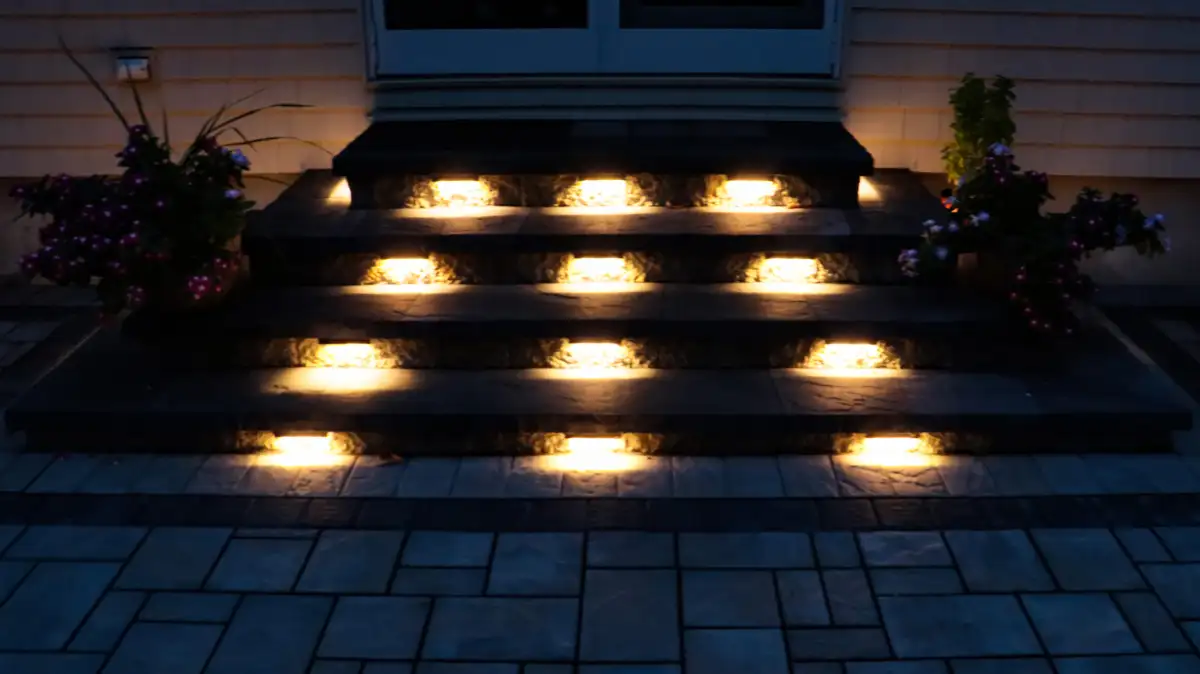
Two hardscaping estimates can use the same words—paver patio, walkway, retaining wall—while describing very different projects. The useful comparison is not the bottom-line price by itself. It is the complete installed scope: what is being removed, how the base and edges will be built, where water will move, how materials will reach the work area, and what happens where the new surface meets the rest of the property.
That level of detail is especially useful for Atlantic City homes, where a compact lot, sandy soil, wind and salt exposure, parking needs, seasonal occupancy, and stormwater movement may affect the plan. Miller's Landscaping provides hardscaping across South Jersey and has a dedicated overview of hardscaping for Atlantic City properties. Bring the questions below to the site visit so the proposal reflects your property rather than a generic square-foot allowance.
What Is Included Below the Finished Surface?
The visible paver, stone, or wall block is only one part of a hardscape. Ask the proposal to identify demolition, excavation, base materials, compaction, bedding material, edge restraint, joint material, drainage components, and disposal. If the project includes steps or a wall, ask how those systems will be supported and how water will be managed behind or beside them.
A description such as “install pavers” is too broad to compare. The scope should make clear whether existing material is being removed, how the new work ties into doors and walks, and which restoration is included around disturbed lawn or planting beds. Those details often explain why two estimates with a similar surface area are not equivalent.
Where Will Rainwater Go After the Project?
Walk the property after rain if possible. Note standing water, downspout discharge, washed-out edges, door thresholds, drains, low spots, neighboring grades, and any area that already settles. Then ask how the proposed elevations and surface area will change that pattern.
Atlantic City's stormwater guidance encourages reducing impervious surface where practical and identifies options such as pervious pavement, pavers, or bricks for some paved areas. That guidance does not determine the right assembly for a specific home, but it reinforces an important booking question: will the finished project slow, direct, or concentrate runoff, and where is that water intended to go?
How Will Access and Staging Affect the Work?
Ask where materials, equipment, and removed soil will enter and leave. A narrow gate, limited parking, shared alley, fence, air-conditioning unit, or occupied rental can change the equipment and sequence available to the crew. The proposal should also clarify who handles temporary access changes and which parts of the yard may need restoration.
For a seasonal or rental property, share blackout dates and parking constraints early. A requested completion date should be evaluated against access, material availability, weather, and the full scope—not treated as a promise before the property has been reviewed.
Ready to Review the Property?
Share the feature you are considering, how the area is used, where water collects, and any access or timing constraints.
Request a Free EstimateWhich Material Details Belong in Writing?
Confirm the product, color, pattern, border, cap, surface texture, and substitution process. For an area that gets wet, ask about traction. For a driveway or parking edge, discuss how the intended use affects the material and edge detail. Near shore exposure, ask about the manufacturer's cleaning and winter-care guidance for the exact product being proposed.
Also clarify what normal color variation may look like and whether sealing is recommended, optional, or not appropriate for that system. A small sample can help with color, but it cannot show the effect of the full pattern, lighting, drainage, or the surrounding house and landscape.
What Will Maintenance Involve?
Hardscaping is durable, but it is not maintenance-free. Depending on the surface and joint system, future care may include sweeping, stain cleanup, joint repair, vegetation control, careful snow removal, or periodic cleaning. Ask which products or tools should be avoided and what early signs—such as rocking units, spreading joints, recurring puddles, or washed-out edges—deserve attention.
This is also the time to decide whether future outdoor lighting, planting, or sprinkler changes need routes beneath or beside the hardscape. Coordinating those paths before the finished surface is installed can avoid cutting into completed work later.
Does the Project Need a Permit or Approval?
Requirements can depend on the feature, property, drainage impact, easements, utilities, association rules, and other site conditions. Before booking, ask whether the proposed work needs local review and who is responsible for confirming or obtaining any required approval. Do not assume that a small footprint automatically means there is nothing to check.
The Atlantic City service-area guide covers more local planning context. During the estimate, focus on whether the property is served and how the proposed work responds to its actual conditions.
How Should You Compare Price and Timing?
An hourly rate alone does not tell you the total labor, crew size, equipment, material quantity, disposal, or restoration included. Compare written scopes line by line. If one number is much lower, ask which preparation, drainage, edge, cleanup, or transition details differ before deciding that the proposals describe the same outcome.
Likewise, do not assume a particular season guarantees a discount. Scheduling depends on availability, daylight, weather, ground conditions, materials, and the installation requirements of the selected system. If you have a target date, ask what must happen first and which conditions could change it. The South Jersey hardscaping cost guide explains more of the factors that affect a complete installed price.
What Should Be Confirmed Before You Sign?
- Layout and dimensions: Make sure the drawing or description matches furniture, walking paths, parking, gates, and maintenance access.
- Preparation and drainage: Confirm what is included below the surface and how water will move around the finished work.
- Materials: List the exact products, colors, patterns, borders, caps, and substitution process.
- Site logistics: Identify access, staging, protection, cleanup, restoration, and any owner responsibilities.
- Business terms: Review payment terms, exclusions, change procedures, scheduling assumptions, and any written warranty information actually offered.
For a shorter property-walkthrough prompt, use the Atlantic City hardscaping site-walk checklist. The goal is not to make the proposal longer; it is to make the responsibilities and finished result easier to understand before work begins.
FAQ: Booking Hardscaping in Atlantic City
What should an Atlantic City hardscaping estimate include?
A useful estimate should identify the layout and dimensions, demolition or excavation, base preparation, edge restraint, materials, drainage approach, access and staging, transitions, restoration, cleanup, exclusions, payment terms, change process, and any written warranty that is actually offered.
Why does drainage need to be discussed before choosing pavers?
A patio, walkway, driveway, or wall changes how water moves across a property. Existing low spots, downspouts, thresholds, neighboring grades, and the amount of impervious surface should be reviewed before the finish and pattern are selected.
Is an hourly rate enough to compare hardscaping contractors?
No. An hourly rate does not show the full scope, crew size, equipment, base depth, disposal, material quantity, drainage work, restoration, or exclusions. Compare written proposals line by line and ask questions about every material difference.
What are the drawbacks of hardscaping?
Hardscaping can reduce permeable ground, add cleaning or joint-maintenance needs, and be costly to change later. Poorly planned elevations can also direct runoff toward unwanted areas, which is why footprint, drainage, access, and long-term use should be considered together.
Does Miller's Landscaping provide hardscaping in Atlantic City, NJ?
Yes. Atlantic City is within Miller's Landscaping LLC's South Jersey service area. Homeowners can request a hardscaping estimate through the contact page or call (856) 832-7958.
Get a Property-Specific Hardscaping Estimate
Tell Miller's what you want the space to do, the site conditions you have noticed, and the questions you want the written scope to answer.
Contact Miller's Landscaping